What is a laboratory information system (LIS)?
A laboratory information system (LIS) is software that manages a medical laboratory's work from sample registration to the final verified report — recording which tests were ordered, tracking each sample through processing, capturing results, and delivering signed reports to the doctor and the patient. It replaces paper worksheets and manual registers, which is where most laboratory transcription errors come from.
What does SoftClinic GenX LIS cover?
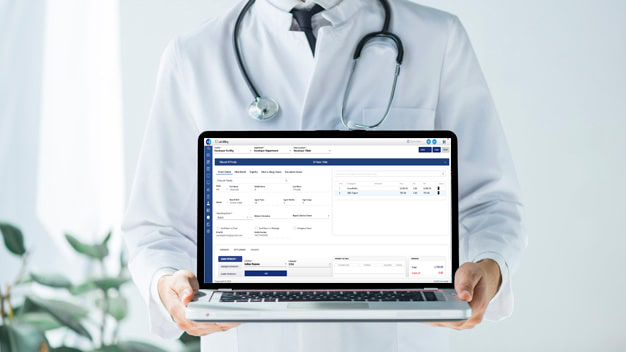
SoftClinic GenX LIS manages the complete laboratory workflow: test ordering, sample collection and tracking, result entry, verification and printed or digital reports — across blood bank, immunology, hematology, microbiology, clinical chemistry and histopathology departments. Patient demographics are entered once and follow the sample everywhere, and every result stays attached to the patient's record.
Does the LIS work for standalone laboratories?
Yes. The same laboratory software serves the in-house laboratory of a hospital and independent laboratory establishments — the sections above describe the operator, technician and owner workflows. Laboratories that later join a hospital network keep their data in the same system.
How does the LIS connect with the rest of the hospital?
The LIS is a module of the SoftClinic GenX hospital information system, so laboratory orders raised in an OPD or IPD visit flow to the laboratory without re-entry, results return to the doctor's screen and the patient's electronic health record, and laboratory charges post directly to the patient's bill. Related modules include pharmacy management and the patient portal, where patients can view their reports. A module-by-module overview is in Hospital Information System Modules Explained.
Schedule a free demo to see the laboratory workflow on your own test menu.